
How to Choose Your First Pool Cue: A Beginner’s Buying Guide
Buying your first pool cue can feel more complicated than it needs to be. Weight, length, tip size, wood type, jointed or one-piece — it’s a lot of jargon for something that, at the end of the day, just needs to feel right in your hand and hit the ball straight. Here’s what actually matters when you’re picking your first cue, and what you can safely ignore until you know your game better.
House Cue vs Your Own Cue
If you’re still borrowing house cues at the club, the first thing you’ll notice about owning your own is consistency. House cues get knocked around, warped, and re-tipped by whoever’s behind the bar — you never quite know what you’re picking up. A cue of your own means the same weight, the same tip, the same feel every time you play, which makes it much easier to actually improve, because you’re not compensating for a different piece of equipment every session.
Weight: Start in the Middle
Cue weight is usually somewhere between 18 and 21 ounces. Heavier cues give you more power on the break with less effort; lighter cues give you more feel and touch on delicate position shots. If you genuinely don’t know your preference yet, 19-20oz is a safe, balanced starting point — you can always switch it up once you’ve played more and developed a preference.
One-Piece or Jointed?
Jointed (two-piece) cues are the practical choice for almost every beginner — they break down for transport in a case, which matters the moment you want to bring your cue anywhere other than the same table every time. One-piece cues are a snooker tradition and can feel that little bit stiffer and more solid through the shaft, but unless you’re specifically playing snooker and never leaving one venue, a jointed cue is the more useful first purchase.
Match the Cue to Your Game
This is the part beginners skip and shouldn’t. A cue built for American Pool generally has a slightly thicker tip and shaft than one built for Snooker, which favours a slimmer taper for precision and screw shots. If you’re mainly playing Chinese Eight Ball (Heyball) on the bigger 9ft tables, a cue from our Chinese Eight Ball Cues range will feel more at home than a snooker cue would. Buying a cue built for a different format is one of the most common (and easily avoided) beginner mistakes.
Don’t Overthink Tip Size Yet
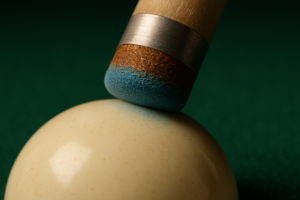
Tip size affects how forgiving a cue is on off-centre hits and how easily you can generate spin. As a first cue, stick with what comes fitted — most cues ship with a sensible tip for their format. Once you’ve played for a while and know whether you want more control or more forgiveness, that’s the point to start exploring our Tips range and re-tipping to suit your style.
Budget for the Extras
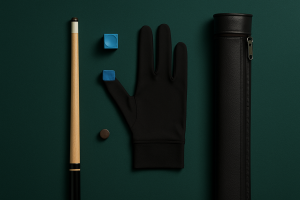
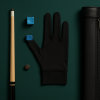
The cue itself is only part of the kit. Set aside a bit extra for chalk to keep your tip gripping properly, and a case so your new cue survives the trip home and every trip after that. A cue left loose in a bag will pick up dings and knocks fast — a decent case is cheap insurance.
Our Recommendation
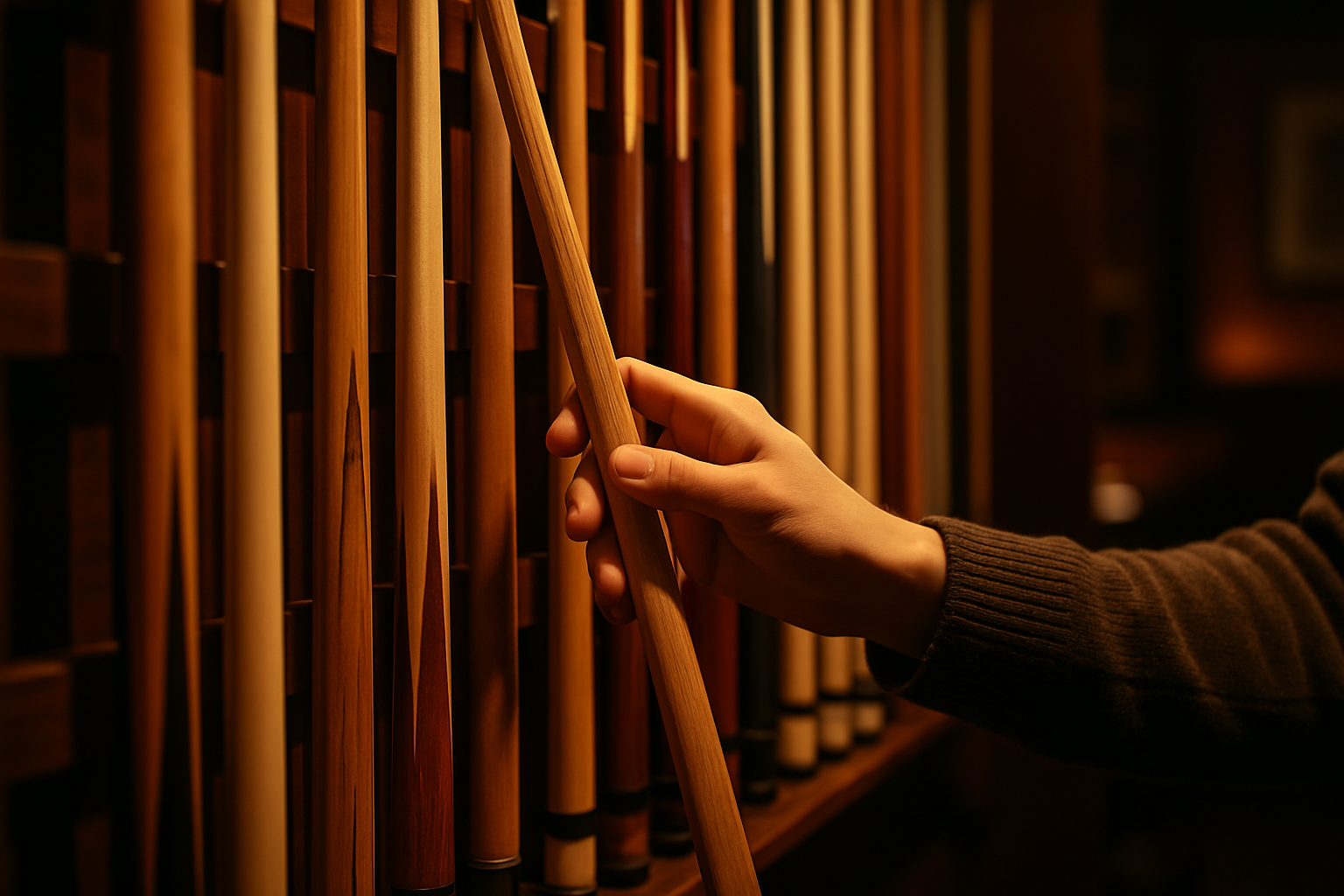
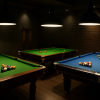
If you’re not sure where to start, browse our full Cues range and filter by format. Better yet, come see us at Sessions Billiards & Darts in Bellville — our team can put a few cues in your hand, let you feel the difference, and help you walk out with the right one the first time.




Add comment