
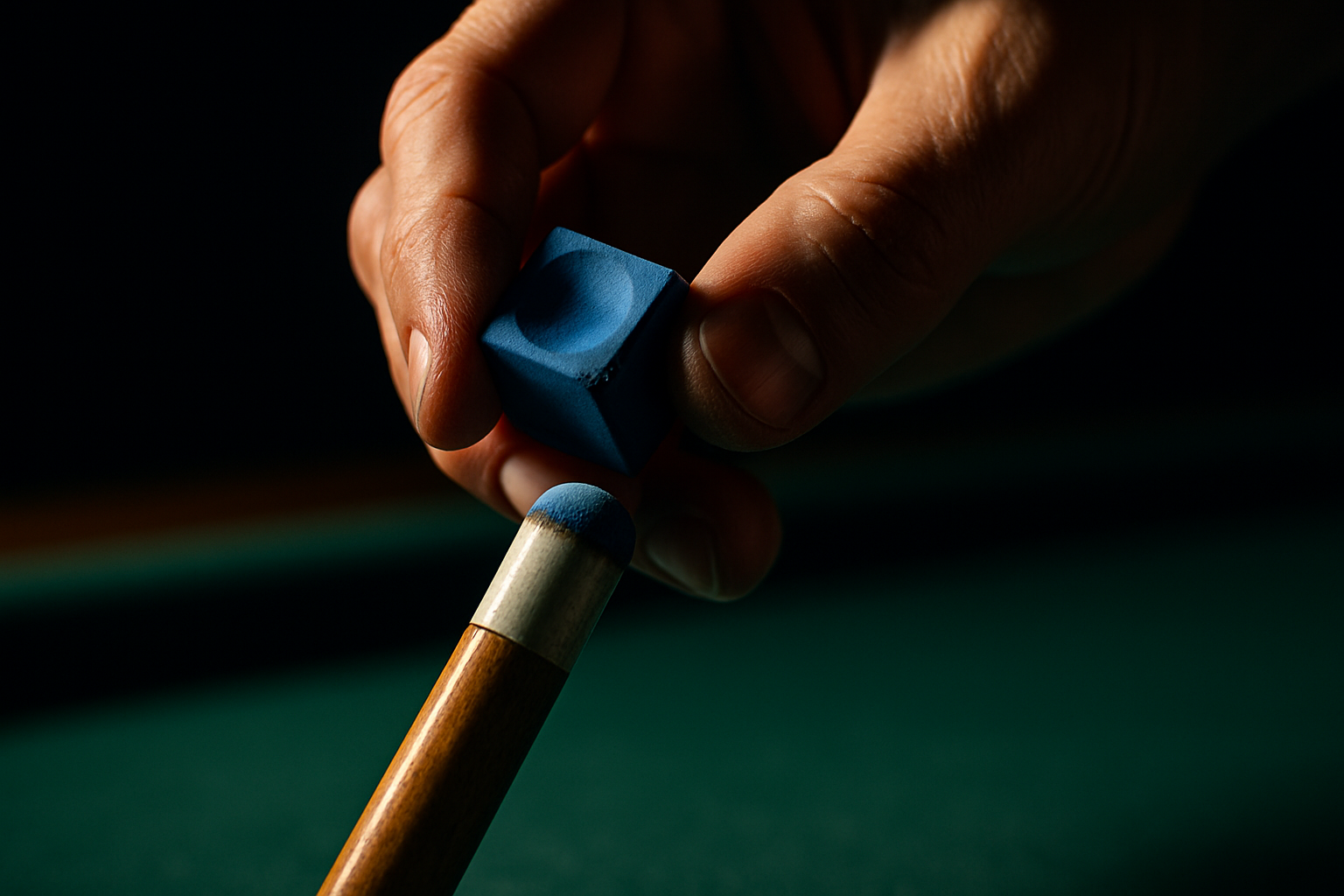
How Often Should You Chalk Your Cue? (And Why It Matters)
Ask ten players how often they chalk and you’ll get ten different answers. Some do it before every single shot on instinct; others only reach for the chalk once it’s already too late and they’ve miscued. Here’s what chalk actually does, how often you really need it, and how to tell when you’re overdoing it or underdoing it.
What Chalk Actually Does
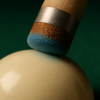
Cue tips are leather, and leather alone doesn’t grip a smooth cue ball reliably — especially off-centre hits used for spin. Chalk is a fine, slightly gritty compound that bonds to the tip’s surface and dramatically increases friction between tip and ball. Without it, any shot that isn’t dead centre risks a miscue: the tip slides off the ball instead of striking it cleanly, and you lose the shot (and sometimes tear the cloth).
How Often Should You Chalk?
The honest answer: before every shot, or close to it. It costs you two seconds and it’s the cheapest insurance in the game. That said, how urgently you need to re-chalk depends on the shot:
- Straight, centre-ball shots are fairly forgiving — you can occasionally get away with an under-chalked tip.
- Any shot using spin (screw, side, stun) needs fresh chalk almost every time — this is where miscues happen.
- Break shots demand full, even chalk coverage since you’re hitting with maximum force off-centre.
If you’re playing a long session, build the habit of a light twist of chalk before every shot rather than trying to judge which shots “need” it — it becomes automatic within a few sessions.
Signs You’re Under-Chalking
Miscues on shots you’d normally make, a faint hissing or skidding sound at contact, and cue balls that don’t take the spin you’re putting on them are all signs your tip has gone dry. If it’s happening more than once a session, you’re not chalking enough.
Signs You’re Over-Chalking
Over-chalking is less common but does happen — usually visible as chalk dust building up on the cue ball itself and leaving blue marks on the cloth. A firm, even twist is enough; grinding the chalk into the tip aggressively doesn’t improve grip, it just wastes chalk and makes more mess.
Chalk Quality Matters
Not all chalk is equal. Cheap, hard chalk can feel like it’s barely transferring to the tip at all, while a quality chalk bonds cleanly with minimal dust and holds up over a full session. If you’re finding yourself chalking constantly and still miscueing, it might be your chalk rather than your technique — it’s worth trying a different one from our Chalk range before you assume the problem is your stroke.
Don’t Forget the Tip Underneath
Chalk can only do so much for a tip that’s gone flat, glazed or worn out. If you’re chalking properly and still struggling with grip, it might be time to check the shape and condition of your tip itself — see our guide to choosing and replacing cue tips.





Add comment